2026-10-10 ·
How Snowstorms and Wildfires Damage Roofs in Coeur d'Alene
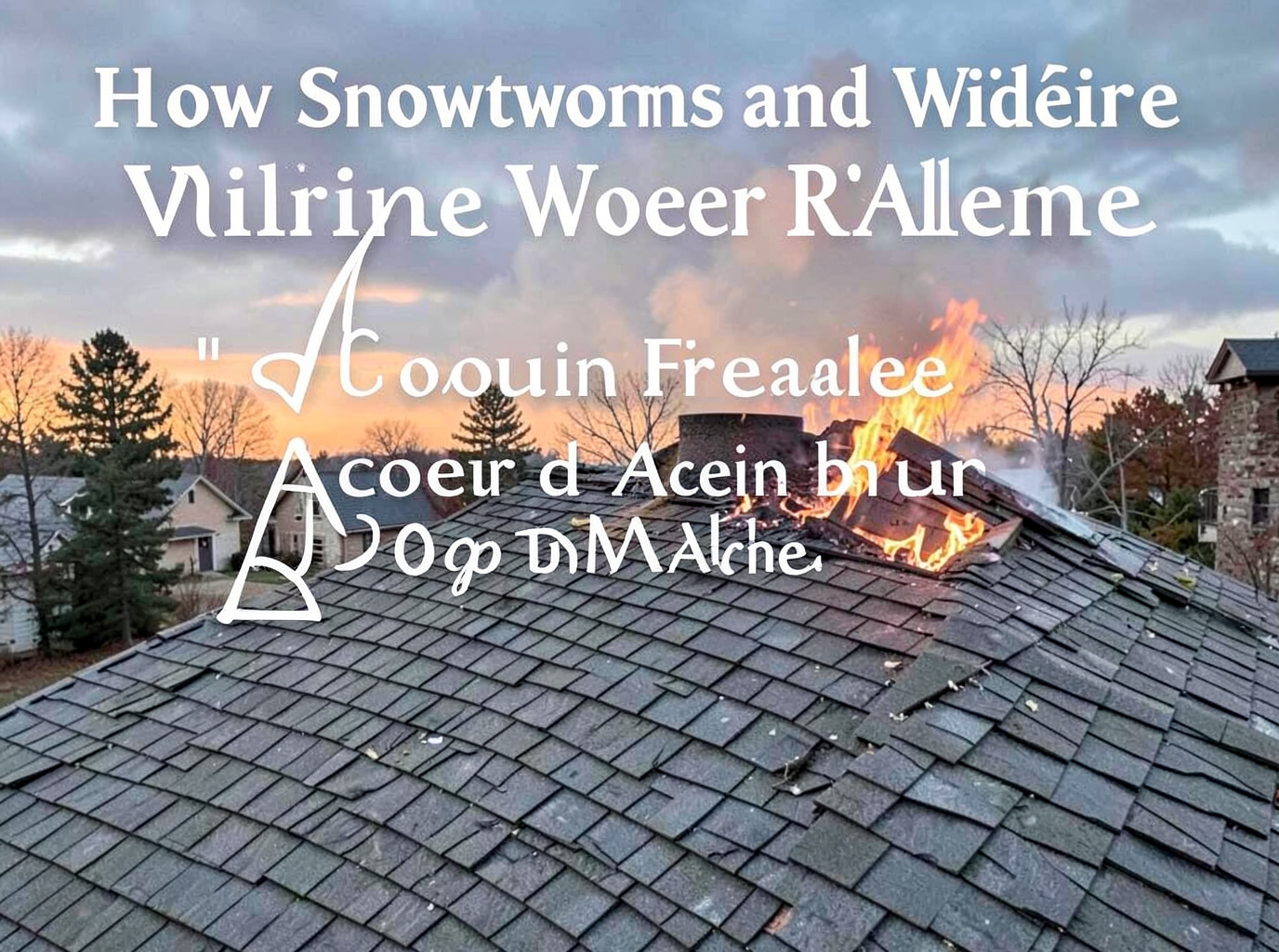
Snowstorms in the Coeur d'Alene area pile 2–4 feet of snow on roofs in a single event, while wildfires can char shingles and melt underlayment within minutes of ember contact. Both forces exploit the same weak points: older asphalt shingles, unsealed flashing, and attic ventilation that cannot handle rapid temperature swings common between winter and late summer.
Snow Load and Ice Dam Effects
Winter storms drop heavy, wet snow that stays on north-facing slopes longer than south-facing ones in areas like Midtown and Fort Grounds. When daytime highs reach the mid-30s followed by overnight drops below freezing, meltwater refreezes at the eaves and forms ice dams that back water under shingles. Homes built before 1990 in Garden District and Armstrong Park often have 20–30 year old shingles that crack under repeated freeze-thaw cycles, allowing water to reach the decking. Attics without adequate ridge vents trap heat, accelerating the melt-refreeze loop and pushing more water inward. These patterns repeat most winters because Coeur d'Alene sits in a valley that funnels moisture from the lake and surrounding forests.
Wildfire Damage Patterns
Wildfires send embers that lodge in gutters and under loose shingles, especially on homes near wooded edges in Hawks Nest and Mill River. Once ignition starts, the fire can travel under the shingle layer and ignite felt or synthetic underlayment within 15–30 minutes. Metal roofs in Rathdrum and Post Falls resist direct flame better but still suffer from radiant heat that warps panels and loosens fasteners. Smoke and ash residue left after containment can corrode aluminum flashing over the following months if not washed off. The surrounding ponderosa pine and Douglas fir stands increase ember travel distance during dry August and September winds, affecting roofs that appeared untouched during the initial burn.
How Local Housing Stock Influences Damage
Many single-family homes in Coeur d'Alene Place and Riverstone were built between 1970 and 2000 with 3-tab shingles that have limited resistance to both snow weight and ember intrusion. These roofs typically carry 20–25 pounds per square foot before deflection begins, yet a 3-foot snow load can exceed that on lower pitches common in the area. Chimneys and skylights on older stock often have flashing that has pulled away after decades of expansion and contraction, creating entry points for both meltwater and embers. Newer construction in Hayden Lake area uses architectural shingles rated for higher wind and snow, yet still requires regular inspection of valleys and penetrations after each major weather event.
Practical Next Steps After Damage Occurs
After snowstorms, check for sagging sections or water stains on ceilings before calling for Storm Damage Roof Repair. After wildfires, look for curled shingles, ash in attic vents, and softened underlayment visible from the ground. Document conditions with dated photos from multiple angles and note any active leaks. Homeowners in Downtown Coeur d'Alene and Fernan Lake Village often schedule inspections within 48 hours of either event because secondary damage from trapped moisture or hidden ember pockets accelerates quickly. Review coverage details in Does Homeowners Insurance Cover Roof Leaks? (Claims Guide) before work begins so expectations align with policy language on storm versus fire claims.